Winter Dangers for Pets: Staying Safe Through the Festive Season
Winter brings cosy evenings, festive celebrations, and plenty of treats — but it can also present a number of hidden dangers for our pets. From icy walks and antifreeze spills to tempting Christmas foods that can be harmful, being aware of seasonal risks can help keep your pets safe, healthy, and happy throughout the colder months.
Cold Weather and Icy Conditions
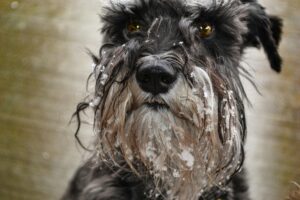 Cold temperatures can be uncomfortable and even dangerous for pets, particularly the very young, elderly, or those with underlying health conditions. Icy pavements can cause slips and strains, while frozen ground can irritate sensitive paws.
Top tips:
- Keep walks shorter during very cold weather
-
Dry paws thoroughly after walks
-
Watch for limping or reluctance to walk
-
Provide warm, dry bedding indoors
Antifreeze and Grit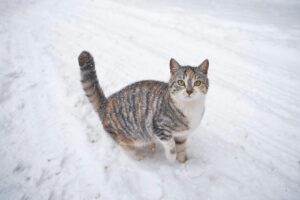
Antifreeze is extremely toxic to pets, even in small amounts, and has a sweet taste that can attract animals. Grit and road salt can also irritate paws and may cause stomach upset if licked.
What you can do:
-
Clean up antifreeze spills immediately
-
Keep antifreeze containers securely stored
-
Rinse or wipe paws after walks
Festive Foods to Avoid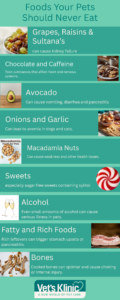
Christmas is a time for indulgence, and it’s natural to want to include pets in the celebrations. However, many festive foods can be harmful — or even life-threatening — to cats and dogs. Please check ingredients carefully and make sure that anything your pet its is suitable. If in any doubt that you pet may have eaten something you are worried about, call us immediately, if necessary use our out of hours service, including VidiVet.
Chocolate
Chocolate contains theobromine, which is toxic to pets. Dark chocolate and cooking chocolate are especially dangerous.
Raisins, Sultanas, and Currants
Found in mince pies, Christmas pudding, and festive cakes, these can cause serious kidney problems in dogs.
Onions, Garlic, and Leeks
Common in stuffing, gravies, and cooked meals, these can damage red blood cells and lead to anaemia in pets.
Alcohol
Even small amounts of alcohol can cause vomiting, breathing difficulties, and serious illness in pets.
Fatty and Rich Foods
Turkey skin, sausages, pigs in blankets, and rich leftovers can trigger stomach upsets or pancreatitis.
Bones
Cooked bones can splinter and cause choking or internal injury.
Decorations and Household Hazards
Festive decorations can also pose risks if pets are curious or playful.
-
Tinsel and ribbon can cause intestinal blockages if swallowed
-
Christmas tree lights may cause burns or electric shock if chewed
-
Candles can be knocked over, posing a fire risk
Ensure decorations are securely placed and supervise pets around the tree.
Keeping Pets Safe and Included
You don’t need to exclude your pets from the festive fun. Instead:
-
Offer pet-safe treats in moderation
-
Stick to normal feeding routines where possible
-
Provide a quiet space away from visitors and noise
-
Maintain regular exercise, even if walks are shorter
When to Seek Veterinary Advice
If your pet eats something they shouldn’t, shows signs of vomiting, diarrhoea, lethargy, or behaves unusually, contact your vet immediately. Early advice can make a significant difference.
Any questions at all, at anytime, you can always ask VidiVet, which is free to use for all our registered pets.
Final Thoughts
Winter and Christmas should be a joyful time for everyone — including your pets. By being aware of seasonal hazards and keeping festive foods safely out of reach, you can enjoy the celebrations with peace of mind, knowing your pets are safe and well cared for.
If you have any questions about winter safety or festive treats for pets, our team is always happy to help.
