
Keeping Cats Entertained Indoors During Winter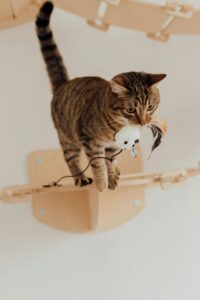
As winter sets in and temperatures drop, many cats naturally choose to spend more time indoors. Shorter days, cold weather, and wet conditions can make even the most adventurous feline less keen to venture outside. While staying indoors can keep cats safe and warm, it can also lead to boredom, reduced activity, and behavioural changes if they’re not getting enough stimulation.
Cats are intelligent, curious animals with strong natural instincts to hunt, climb, and explore. During the winter months, it’s especially important to provide opportunities that meet these needs and help keep them physically active, mentally stimulated, and emotionally content.
Why Indoor Enrichment Matters
When cats don’t have enough stimulation, boredom can show itself in subtle ways. Some cats may sleep more than usual, while others may become more vocal, destructive, or anxious. You might notice scratching furniture, over-grooming, or changes in appetite or behaviour.
Keeping your cat engaged indoors helps to:
-
Maintain a healthy weight
-
Support joint and muscle health
-
Reduce stress and anxiety
-
Prevent unwanted behaviours
-
Improve overall wellbeing
This is particularly important for older cats, indoor-only cats, and those with health conditions such as arthritis, where gentle movement and mental stimulation are beneficial.
Interactive Play: Tapping Into Natural Instincts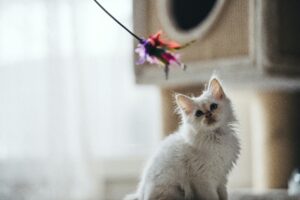
Playtime is one of the most effective ways to keep cats active indoors. Interactive toys that mimic prey, such as feather wands or ribbon toys, allow cats to stalk, chase, and pounce in a way that feels natural and rewarding.
Short, regular play sessions are often more effective than one long session. Aim for 5–10 minutes, two or three times a day, and try to end play with a small meal or treat to replicate the natural hunt–eat–rest cycle.
Laser pointers can also be useful, but always finish with a physical toy or treat to avoid frustration.
Food as Enrichment
Mealtimes can be a valuable opportunity for mental stimulation. Instead of feeding from a standard bowl, consider:
-
Puzzle feeders
-
Treat balls
-
Hiding small portions of food around the house
These encourage problem-solving and gentle movement, slow down eating, and help prevent boredom — especially important during winter when cats may be less active.
For cats prone to weight gain, food-based enrichment can also help balance calorie intake with activity.
Making Use of Vertical Space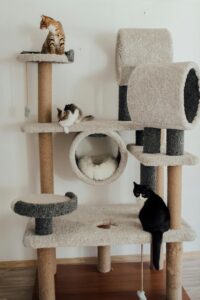
Cats love to climb and observe their surroundings from a height. Providing vertical spaces indoors allows them to exercise, feel secure, and stay entertained.
Ideas include:
-
Cat trees or towers
-
Wall-mounted shelves
-
Window perches to watch birds and outdoor activity
Vertical space is especially valuable in smaller homes and for multi-cat households, as it allows cats to spread out and avoid conflict.
Rotating Toys and Changing the Environment
Cats can quickly lose interest in toys that are always available. Rotating toys every few days helps keep them feeling new and exciting. You don’t need to buy lots of toys — even cardboard boxes, paper bags (handles removed), or scrunched-up paper can provide enrichment.
Small environmental changes, such as moving furniture slightly or introducing a new scratching post, can also spark curiosity and exploration.
Scratching: A Natural Need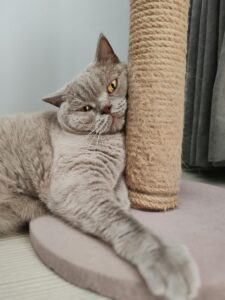
Scratching is essential for claw health, muscle stretching, and stress relief. Ensure your cat has access to:
-
Vertical and horizontal scratching posts
-
Stable, sturdy materials
-
Posts placed near sleeping areas or favourite spots
Encouraging appropriate scratching can prevent damage to furniture and supports both physical and emotional wellbeing.
Supporting Older or Less Mobile Cats
Winter can be harder on senior cats or those with joint stiffness. Gentle play, low-impact climbing options, and warm resting areas can help keep them comfortable and active.
Heated beds, soft blankets, and ramps or steps to favourite resting spots can make a big difference. If you notice your cat becoming less active, reluctant to jump, or changing their behaviour, it’s worth speaking to your vet for advice.
Final Thoughts
Winter doesn’t have to be dull for indoor cats. With a little planning and creativity, you can provide an enriching environment that supports your cat’s natural behaviours and keeps them happy, healthy, and engaged throughout the colder months.
If you’re unsure whether your cat is getting enough stimulation, or you’ve noticed changes in their activity or behaviour, our team is always happy to offer advice tailored to your cat’s needs.
