
 Winter Weight Watch: Keeping Pets Healthy in Cooler Months
As the nights draw in and the temperature drops, it’s natural for both pets and their owners to slow down a little. Shorter walks, chilly mornings, and cosy evenings by the fire can mean less activity for dogs and cats. Combine this with the temptation to give a few extra treats — particularly around Christmas — and it’s easy for pets to start putting on weight without owners even realising.
Maintaining a healthy weight isn’t just about appearances; it’s essential for your pet’s overall health and wellbeing. Carrying extra weight can increase strain on joints, exacerbate conditions like arthritis, and even affect breathing, heart function, and metabolism. Overweight pets are also more at risk of developing diabetes, liver disease, and other chronic conditions. By keeping an eye on your pet’s weight throughout the colder months, you can help ensure they stay comfortable, mobile, and happy.
Why Winter Can Lead to Weight Gain
There are several reasons why pets are more prone to gaining weight during autumn and winter: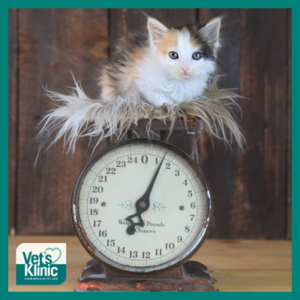
1. Reduced activity
Cold or wet weather often means shorter walks or less outdoor playtime. Dogs may be reluctant to go out in heavy rain, snow, or mud, and owners may also reduce the length of walks to avoid discomfort. Cats, too, may spend more time indoors when the weather turns chilly, and indoor cats may not get the same level of exercise they do in the warmer months.
2. Extra treats and indulgence
It’s natural to want to spoil pets in winter. After all, they’ve been by your side through the shorter days and colder weather, and many owners enjoy giving extra treats to show affection. Christmas, in particular, is a time when pets often receive festive goodies, which may be richer than their usual diet. While these treats are given with the best intentions, they can contribute to calorie overload.
3. Natural energy conservation
Just as humans sometimes feel a little lazier in the colder months, pets may also instinctively burn fewer calories. Dogs may move less vigorously on cold mornings, and cats may curl up for longer naps to conserve energy, leading to a gradual increase in weight if food intake remains the same.
The Health Risks of Extra Weight
Extra pounds may seem harmless at first, but they can have a significant impact on a pet’s health. Carrying even a few extra kilograms puts strain on joints, which can worsen or accelerate conditions like osteoarthritis. This is especially important in older dogs or breeds predisposed to joint problems, but even younger, active pets can be affected.
Overweight pets are also more likely to develop metabolic conditions such as diabetes, high blood pressure, and fatty liver disease. Heart and lung function can be compromised, making exercise more tiring and increasing the risk of heat intolerance in warmer months. Furthermore, extra weight can affect surgical outcomes if your pet ever requires an operation, and recovery times may be longer.
Maintaining a healthy weight supports mobility, cardiovascular health, and overall longevity. In short, a pet at a healthy weight is more likely to be a happy, active companion for years to come.
Practical Tips for Managing Winter Weight
Keeping your pet fit and healthy during the cooler months doesn’t have to be a chore. Small adjustments can make a big difference:
1. Maintain regular walks and playtime
Even if it’s cold or wet, try to keep your pet active with short walks or indoor games. Indoor play for cats — using laser pointers, feather wands, or interactive toys — can provide both mental stimulation and physical activity. For dogs, short bursts of exercise, such as a brisk walk or a quick game of fetch, can help burn calories and keep muscles strong.
2. Monitor portion sizes
It can be easy to overfeed, especially when giving treats or festive extras. Measure meals carefully and avoid “free-feeding” where food is left out all day. Consider using low-calorie treats or healthy alternatives, such as small pieces of carrot or apple (for dogs) or specially formulated cat treats, to reward good behaviour without overloading on calories.
3. Encourage mental stimulation
Puzzle feeders and treat-dispensing toys not only occupy your pet but also encourage them to work for their food, slowing down mealtime and burning a little extra energy. Mental stimulation is particularly important for indoor cats, who may not get as much physical exercise in winter.
4. Create opportunities for indoor exercise
For cats, this could mean setting up climbing spaces or encouraging interactive play sessions. For dogs, short indoor games like fetch in a hallway, hide-and-seek with toys, or gentle tug-of-war can help maintain activity levels without needing to brave the cold outdoors.
5. Regularly check your pet’s body condition
You should be able to feel your pet’s ribs without pressing too hard, and they should have a noticeable waist when viewed from above. If you can see or feel excess fat over the ribs, or if your pet’s waistline has disappeared, it’s a sign that action may be needed. Keep a regular check on weight and body condition to catch any gradual changes before they become problematic.
 Managing Festive Treats
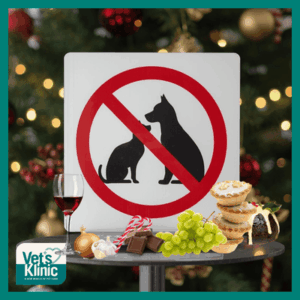
It’s completely natural to want to spoil your pets during the winter, especially at Christmas. However, festive treats can be calorie-dense and include ingredients that are toxic to pets, such as chocolate, raisins, or certain nuts. The key is moderation and choosing pet-safe options.
-
Offer small, low-calorie treats instead of sharing human food.
-
Avoid giving chocolate, sugary sweets, or rich leftovers.
-
If you do give special festive treats, adjust their regular meals to account for the extra calories.
-
Make some homemade, pet-safe treats as a seasonal fun activity — this can be healthier and lets you control exactly what your pet eats.
By keeping treats occasional and monitoring overall intake, you can enjoy the festive season with your pet without compromising their health.
The Benefits of Maintaining a Healthy Weight
A pet at a healthy weight will enjoy:
-
Increased energy levels and willingness to play
-
Reduced strain on joints and muscles
-
Lower risk of diabetes, heart disease, and other metabolic conditions
-
Better quality of life and longevity
-
Easier management for grooming, surgery, and general care
Maintaining a healthy weight is not about depriving pets of enjoyment; it’s about balancing food, exercise, and mental stimulation so they can thrive year-round.
Final Thoughts
Winter doesn’t have to mean weight gain for your pet. By keeping an eye on exercise, adjusting diet, providing mental stimulation, and moderating treats — especially around Christmas — you can help your cat or dog stay healthy and active throughout the colder months.
